
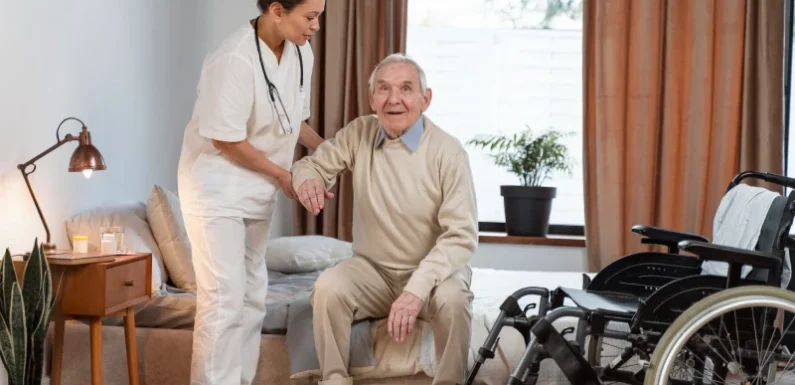
Dementia is one of the most complex and emotionally challenging conditions facing families and care professionals today. It affects memory, communication, behavior, and identity, yet the person living with dementia remains the same individual with a lifetime of experiences, emotions, and needs. As understanding grows, dementia support is moving away from purely clinical models and towards approaches that place dignity, creativity, and emotional wellbeing at the centre of care.
Innovation is shaping a future where dementia support is not only about safety and supervision, but about helping people live with meaning, connection, and comfort. Here’s how this shift is redefining what quality care truly looks like.
Moving Beyond Traditional Models of Care
In the past, dementia care often prioritized routine, structure, and risk management above all else. While these remain essential, they are no longer the only focus. Modern dementia support recognizes that emotional fulfillment, autonomy, and identity matter just as much as physical safety.
Innovative care models now aim to create environments where people feel valued and understood. This includes flexible routines, opportunities for choice, and care plans shaped around individual life stories. Instead of asking how someone fits into a system, the system adapts to the person.
This approach restores a sense of control and respect, helping individuals maintain confidence even as cognitive abilities change.
The Power of Thoughtful Environment Design
The environment plays a crucial role in supporting people living with dementia. Confusing layouts, harsh lighting, or unfamiliar surroundings can increase anxiety and disorientation. Thoughtfully designed spaces can do the opposite.
Modern dementia-friendly environments focus on:
- Clear visual cues that support orientation
- Calm color schemes that reduce overstimulation
- Natural lighting that supports sleep patterns
- Safe outdoor spaces that encourage freedom of movement
- Familiar furnishings that create a sense of home
These elements work together to reduce stress and encourage independence. Care settings such as a dementia care home Nailsea Bristol increasingly apply these principles to create environments that feel comforting, intuitive, and supportive rather than clinical or restrictive.
Technology as a Gentle Support System
Technology is becoming an important ally in dementia care when used with care and sensitivity. Its purpose is not to replace human connection but to strengthen it.
Innovative tools include:
- Wearable devices that provide discreet safety monitoring
- Digital reminders that support daily routines
- Communication platforms that help families stay in touch
- Sensor systems that reduce the risk of falls or wandering
These technologies give families reassurance while allowing residents to maintain independence and dignity. They also help care teams respond quickly and proactively to changing needs.
Personalized Activities That Encourage Purpose
One of the most powerful areas of innovation lies in personalized engagement. Dementia does not erase a person’s interests or emotional responses. Activities that reflect personal history can spark joy, recognition, and connection.
Examples include:
- Music therapy using songs from a person’s younger years
- Art sessions that encourage creative expression
- Gardening projects that reconnect people with nature
- Sensory activities that provide calm and stimulation
These experiences promote emotional wellbeing and help individuals feel purposeful and included rather than passive recipients of care.
Advancing Training for Care Professionals
Innovation is also transforming how caregivers are trained. Modern dementia training focuses on understanding behavior as communication rather than disruption. It encourages empathy, patience, and flexibility.
Care teams are learning to:
- Recognize emotional triggers
- Adapt communication styles
- Support independence where possible
- Respond with reassurance rather than correction
This compassionate approach strengthens relationships between caregivers and residents, creating a culture of trust and understanding.
Research Driving Better Support Strategies
Scientific research continues to shape dementia support practices. While medical cures are still under development, research is already influencing how care is delivered.
Studies into brain function, emotional memory, and sensory processing have helped validate practices such as:
- Music-based therapy
- Reminiscence sessions
- Movement and rhythm exercises
- Environmental design improvements
These evidence-based approaches enhance quality of life and reduce distress for people living with dementia.
Supporting and Empowering Families
Innovation in dementia support extends to families as well. Education and guidance help loved ones understand how dementia affects behavior and communication. This knowledge reduces frustration and strengthens emotional bonds.
Families who feel informed and supported are better equipped to:
- Communicate with empathy
- Recognize emotional needs
- Maintain meaningful relationships
- Participate confidently in care decisions
This collaborative approach ensures care feels shared rather than isolated.
Preserving Identity and Personhood
At the heart of innovative dementia support is a commitment to preserving identity. Dementia changes how a person processes the world, but it does not erase who they are.
Care that honors life history, personal preferences, and individual personality helps protect a sense of self. Personalized rooms, familiar routines, and meaningful conversation all contribute to maintaining dignity and emotional security.
This perspective shifts dementia care from managing decline to supporting continuity of personhood.
A Future Defined by Compassion and Creativity
The future of dementia support is shaped by compassion, creativity, and innovation working together. It recognizes that people living with dementia deserve environments that feel safe, engaging, and respectful.
Innovation is not just about technology or research. It is about rethinking how society understands memory loss and how care is delivered with humanity at its core.
Summing Up
Exploring the future of dementia support through innovation reveals a hopeful path forward. Care is becoming more personalized, environments more intuitive, technology more supportive, and relationships more meaningful.
By combining thoughtful design, gentle technology, personalized engagement, skilled caregivers, and empowered families, dementia support is evolving into a concept that is far richer than basic care.
It becomes a commitment to preserving dignity, nurturing connection, and celebrating life, even in the presence of cognitive change.
