
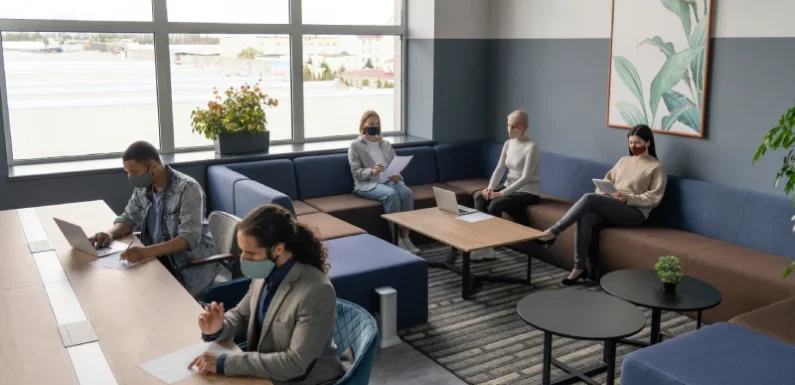
In today’s rapidly evolving business landscape, companies — especially those in growth mode — are rethinking how they use office space. Traditional long-term leases and static office layouts no longer make sense for many organizations navigating uncertainty, scaling teams, or shifting toward hybrid work models. Adaptable workspaces have emerged as a powerful solution that aligns workplace environments with the changing needs of modern businesses. From cost efficiency and flexibility to talent attraction and collaboration, adaptable workspaces offer a host of benefits that make them especially appealing to growing companies.
The Rise of Flexible Work Models
The rise of hybrid and remote work has reshaped expectations about what an office should be. Pre‑pandemic, many companies viewed office space as a fixed asset — a place where employees come every day, with assigned desks and rigid configurations. However, as hybrid work became commonplace, employers realized that this traditional model often leads to underutilized space and unnecessary costs.
Adaptable workspaces, including coworking environments, break away from this one‑size‑fits‑all mentality. They allow businesses to scale up or down, reconfigure layouts quickly, and implement new workplace strategies without the constraints of long-term lease commitments or extensive build‑outs. This fluidity is especially valuable for growing companies that don’t yet know how big they’ll be in two or three years — or how their teams will work best.
Cost Efficiency Without Compromise
Cost management is a critical consideration for any business experiencing rapid growth. As companies expand, they often face increasing expenses — hiring talent, developing new products, entering new markets, and investing in technology. Committing a large portion of capital to traditional office leases can strain budgets and reduce financial flexibility.
Adaptable workspaces help companies optimize costs in several ways. They typically offer flexible lease terms, allowing businesses to avoid multi‑year contracts and costly penalties for scaling. Shared infrastructure, such as meeting rooms, reception services, and communal areas, is often included, reducing the need for separate operational expenses. Moreover, because adaptable spaces can be adjusted to match current headcount and needs, businesses avoid paying for unused square footage.
For example, choosing an adaptable setup like an ADGM coworking office space enables companies to access high‑quality facilities and professional services while retaining the agility to shift space usage as the business grows. This mix of affordability and quality is particularly advantageous for startups and scale‑ups that must balance rapid expansion with disciplined budgeting.
Flexibility to Match Business Growth
One of the defining traits of adaptable workspaces is their inherent flexibility. These environments are designed to accommodate change — whether that’s adding new team members, launching a new department, or adjusting workstations for different functions. Rather than undergoing costly renovations or relocating, companies can simply reconfigure their space.
This flexibility carries several strategic benefits:
- Rapid onboarding of new employees: As teams grow, businesses can quickly allocate space for new hires without disrupting existing operations.
- Project‑based adaptability: Companies working on seasonal or short‑term initiatives can adjust space dedicated to specific projects, making it easy to support evolving workstreams.
- Remote and hybrid support: With employees splitting time between home and office, adaptable workspaces can be optimized for collaboration days while reducing wasted desks on remote days.
For organizations that anticipate frequent changes in team size or structure, this ability to pivot space strategy with minimal friction is invaluable.
Fostering Collaboration and Innovation
Growing companies thrive on innovation and teamwork. The layout and design of a workspace can significantly influence how employees interact, share ideas, and solve problems together. Traditional offices often compartmentalize teams, creating silos that inhibit collaboration. In contrast, adaptable workspaces encourage fluid interaction through open layouts, shared areas, and flexible meeting spaces.
These environments often bring unexpected benefits:
- Cross‑department engagement: Shared spaces make it easier for people from different teams to connect, sparking creative insights.
- More face‑to‑face collaboration: While hybrid work has many advantages, in‑person interaction remains important for building relationships and solving complex challenges. Adaptable workspaces provide comfortable zones for teams to come together when needed.
- Cultural cohesion: A dynamic, versatile environment can reinforce company identity and make employees feel part of a purposeful community.
Whether through casual lounge areas, modular breakout rooms, or tech‑equipped collaboration hubs, adaptable workspaces are engineered to support the kinds of interactions that drive innovation.
Enhancing Talent Attraction and Retention
In a competitive talent market, the quality of the workplace experience can be a deciding factor for candidates. Many professionals now prioritize environments that offer flexibility, comfort, and access to amenities over rigid corporate offices. Growing companies that adopt adaptable workspaces signal to talent that they value a modern, employee‑centric approach to work.
These spaces often come with perks that are attractive to today’s workforce, such as:
- Ergonomic and collaborative design elements that support well‑being
- On‑site amenities like cafes, lounges, and fitness areas
- Diverse workspace options — from quiet zones for focused work to flexible huddle rooms for teamwork
By offering a workspace that aligns with employees’ preferences and supports different working styles, companies can improve satisfaction, boost engagement, and strengthen retention — all of which are crucial during periods of rapid growth.
Reducing Administrative Burden
Growth often brings complexity, and managing office space can become a full‑time job in itself. Adaptable workspaces help relieve this burden by providing services that would otherwise require internal management. Many providers offer reception staff, facilities support, IT infrastructure, cleaning services, and community programming — all bundled into one solution.
This means company leaders and employees can focus on strategic work rather than worrying about maintenance, utilities, or logistical challenges. For small teams with limited administrative resources, this is a major advantage. It also allows founders and executives to keep their eyes on innovation and growth rather than real‑estate headaches.
Conclusion: A Strategic Investment in Growth
Adaptable workspaces have become a go‑to solution for growing companies due to their flexibility, cost efficiency, collaborative potential, and ability to attract top talent. As hybrid work continues to evolve and business needs remain unpredictable, the appeal of environments that can shift effortlessly with organizational demands will only increase.
By choosing a workspace that supports change rather than resisting it, companies position themselves not just for growth, but for sustainable success in a world where agility is a competitive advantage. Whether a business is scaling rapidly, experimenting with new team structures, or simply seeking a more dynamic work environment, adaptable workspaces offer the versatility and support modern companies need to thrive.
