
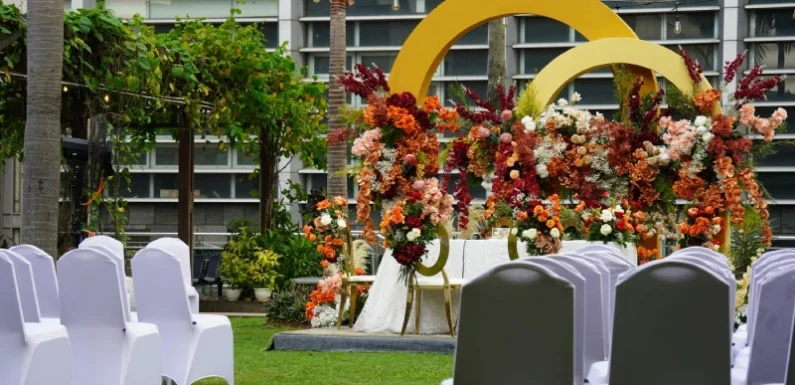
Private events have evolved far beyond standard formats and predictable schedules. Today, hosts are moving away from one-size-fits-all celebrations and toward gatherings that feel personal, intentional, and memorable. Whether it’s a milestone birthday, anniversary, private dinner, or intimate corporate retreat, personality has become the defining element of modern event design.
In a world where experiences matter more than excess, bespoke events are no longer about impressing guests — they are about making them feel considered.
“The best events don’t feel planned. They feel personal.”
Why Personalised Events Matter More Than Ever
Guests attend countless events throughout their lives, but only a few remain memorable. What separates these experiences is not budget or scale, but emotional connection.
Personalised events succeed because they:
- Reflect the host’s identity
- Create emotional engagement
- Encourage genuine interaction
- Feel immersive rather than per formative
People remember how an event made them feel.
Understanding the Host’s Story
Every bespoke event begins with a narrative. Before décor, menus, or venues are chosen, designers must understand the host’s story, values, and purpose for gathering people together.
Key questions that shape the experience include:
- What is being celebrated?
- Who are the guests?
- What atmosphere should they feel?
- What memories should linger afterward?
This narrative becomes the foundation upon which every design decision is built.
“Design follows intention.”
Curating the Guest Journey
Bespoke events are designed as journeys rather than schedules. From the moment guests arrive to the final farewell, each touch point contributes to the overall experience.
Arrival and First Impressions
First impressions set emotional expectations. Thoughtful arrivals details — lighting, music, scent, or a personalised welcome — immediately establish tone.
Flow and Pacing
Rather than rigid timelines, modern events focus on natural transitions. Guests should feel guided, not managed.
Seamless flow feels effortless — even when it isn’t.
Designing Atmosphere Through Detail
Atmosphere is created through layers. In bespoke events, no element exists in isolation.
Important atmospheric elements include:
- Lighting that adapts throughout the event
- Textures and materials that invite interaction
- Sound design that supports conversation
- Subtle scent cues tied to the setting
Together, these details create an environment guests instinctively respond to.
“Atmosphere speaks before words do.”
Bespoke Experiences Over Traditional Entertainment
Traditional entertainment is increasingly being replaced by experiential moments tailored to the guest profile. Instead of performing for guests, bespoke events invite guests to participate within the experience.
Examples include:
- Interactive culinary moments
- Live craftsmanship or artistry
- Story-driven installations
- Guided tastings or workshops
These experiences foster connection rather than passive observation.
Personalisation Without Overwhelming
True personalisation is thoughtful, not excessive. Bespoke design avoids novelty for novelty’s sake and instead focuses on moments that feel meaningful.
Successful personalisation:
- Respects guest comfort
- Feels intuitive rather than forced
- Enhances, rather than distracts from, connection
Subtlety is the new luxury.
Food and Drink as Storytelling Tools
In modern private events, menus are no longer separate from design — they are part of the narrative. Thoughtfully curated food and drink can evoke memory, culture, or shared experience.
Approaches include:
- Menus inspired by personal travel
- Family recipes reimagined
- Regionally sourced ingredients
- Courses timed to event transitions
An internal guide on experiential dining design can further support this approach.
“Taste is memory in its purest form.”
Spaces That Encourage Connection
Bespoke events prioritise connection over spectacle. Seating, layout, and scale are designed to encourage interaction rather than observation.
Design strategies include:
- Intimate seating clusters
- Shared tables over isolated arrangements
- Flexible spaces that evolve during the event
This approach ensures guests feel included rather than positioned.
Technology Used Thoughtfully
Technology plays a supporting role in modern bespoke events. When used intentionally, it enhances rather than dominates the experience.
Examples include:
- Adaptive lighting systems
- Discreet sound management
- Personalised digital elements
- Seamless event coordination tools
The goal is invisibility — technology should serve the experience, not announce itself.
If guests notice the tech, it’s too much.
Creating Lasting Impressions
The most successful bespoke events don’t end when guests leave. Thoughtful closing moments and post-event touches extend the experience beyond the event itself.
Ideas include:
- Meaningful parting gestures
- Personalised keepsakes
- Follow-up messages that reflect the event’s theme
These details reinforce the emotional connection long after the gathering concludes.
“Endings matter as much as beginnings.”
Why Bespoke Events Are the Future
As private gatherings continue to evolve, personality-driven design is becoming the standard rather than the exception. Guest’s value authenticity, hosts value intention, and bespoke experiences meet both needs.
By focusing on story, atmosphere, and connection, private events become more than gatherings — they become shared memories.
Personality isn’t an extra. It’s the point.
Final Thoughts
Designing private events with personality requires more than creativity — it demands empathy, intention, and attention to detail. When every element is shaped around the guest experience, events feel effortless, immersive, and genuinely memorable. Bespoke guest experiences are not about scale or spectacle, but about creating moments that resonate long after the last guest departs.
