
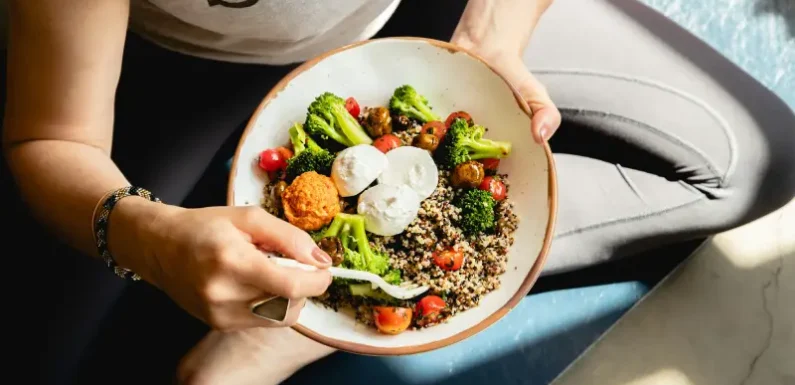
What you eat around a workout affects how you feel during it and how well you recover after. Eat too little and you may feel weak, dizzy, or tired halfway through. Eat the wrong thing too close to training and you might end up with cramps or an upset stomach. For women, a few extra factors matter too. Hormones, iron needs, bone health, and busy schedules all play a part. The good news is that workout nutrition doesn’t need to be complicated. You don’t need expensive supplements or strict meal plans. You need the right mix of carbs, protein, and fluids at the right time. This article covers what to eat before and after different types of workouts, simple meal and snack ideas, timing tips, and common mistakes women make. Whether you lift weights, run, swim, or take group classes, these basics can help you train better and recover faster.
Why Workout Nutrition Matters for Women
Exercise uses energy and breaks down muscle tissue. Food gives you the fuel to train and the building blocks to repair.
Women have some specific needs. Many women don’t eat enough protein. Iron levels can drop due to monthly blood loss. Bone health becomes a bigger concern with age, especially after menopause. And busy schedules often lead to skipped meals.
Eating well around workouts helps you:
- Have more energy during exercise
- Recover faster between sessions
- Build and keep muscle
- Support bone strength
- Avoid feeling drained for the rest of the day
The Three Nutrients That Matter Most
Every good workout meal is built from the same basics.
Carbohydrates are your main fuel source, especially for cardio and high-intensity training. They’re stored in your muscles and liver as glycogen. Low glycogen means low energy.
Protein repairs and builds muscle. It’s important after workouts but matters throughout the day too.
Fat is useful for long-term energy and hormone health. But it digests slowly, so it’s best kept lower right before a workout.
Before exercise, focus on carbs with some protein. After exercise, focus on protein with some carbs.
Timing Your Pre-Workout Food
When you eat matters almost as much as what you eat.
- 2 to 3 hours before: Have a full, balanced meal with carbs, protein, and a small amount of fat.
- 30 to 60 minutes before: Have a small, easy-to-digest snack, mostly carbs.
- Less than 30 minutes before: Keep it very light, like a piece of fruit, or skip it.
Everyone’s stomach is different. Some women can eat right before a run. Others need a longer gap. Test what works for you on easy training days, not before a big event.
Pre-Workout Meals (2 to 3 Hours Before)
These give you steady energy without feeling heavy:
- Oatmeal with banana, berries, and a spoon of peanut butter
- Whole-grain toast with scrambled eggs and avocado
- Brown rice with grilled chicken and vegetables
- Greek yogurt with granola and fruit
- A turkey and cheese sandwich on whole-grain bread
- Sweet potato with black beans and salsa
- Quinoa bowl with chickpeas and roasted vegetables
Quick Pre-Workout Snacks (30 to 60 Minutes Before)
When you don’t have much time, keep it simple and low in fiber and fat:
- A banana
- Rice cakes with honey or a thin layer of nut butter
- A small smoothie with fruit and yogurt
- Applesauce pouch
- A handful of pretzels or crackers
- A small granola bar
- Dates or dried fruit
These give quick energy and are easy on your stomach.
Should You Work Out on an Empty Stomach?
Fasted workouts are popular. Some people like training first thing in the morning without eating.
For short, easy sessions like a walk or light yoga, it’s usually fine. But for intense or long workouts, most women perform better with some food first. Some research suggests women may respond differently to fasted training than men, with more stress on hormones and energy levels.
If you train early and can’t eat much, try a small snack like half a banana or a few crackers. Even a little fuel can make a difference.
What Your Body Needs After Exercise
After a workout, your body starts repairing muscle and refilling energy stores. Eating within about one to two hours helps this process.
Aim for:
- Protein: Around 20 to 30 grams for most women. This supports muscle repair.
- Carbs: To refill glycogen, especially after cardio or long sessions.
- Fluids: To replace what you lost through sweat.
You don’t need to rush to eat the second you finish. But don’t wait hours either, especially if you train again the next day.
Post-Workout Meal Ideas
These combine protein and carbs for good recovery:
- Grilled salmon with rice and roasted vegetables
- Chicken wrap with hummus and salad
- Eggs with whole-grain toast and spinach
- Greek yogurt parfait with berries and granola
- Tofu stir-fry with noodles and vegetables
- Lentil soup with a slice of whole-grain bread
- Cottage cheese with fruit and whole-grain crackers
- Protein smoothie with milk, banana, oats, and nut butter
If you’re not hungry right after training, a smoothie or glass of chocolate milk is an easy option. Chocolate milk has a good mix of carbs and protein and is often used by athletes.
Match Your Food to Your Workout
Different workouts have different needs.
Strength training: Focus on protein after. A moderate carb meal before helps you lift with more energy.
Cardio and HIIT: Carbs matter more here. Eat a carb-rich snack before and include carbs with protein after.
Yoga, Pilates, and light activity: You may not need a special pre-workout meal. A light snack is usually enough. Eat a normal balanced meal afterward.
Long endurance sessions (over 90 minutes): Eat a solid carb-based meal beforehand. You may also need carbs during the session, like sports drinks, gels, or bananas.
Nutrients Women Shouldn’t Overlook
Some nutrients need extra attention:
- Needed to carry oxygen to muscles. Low iron can cause fatigue and poor performance. Good sources include red meat, beans, lentils, spinach, and fortified cereals. Pair plant sources with vitamin C to help absorption.
- Calcium and vitamin D. Important for bone health. Find them in dairy, fortified plant milks, leafy greens, and sunlight exposure.
- Many women eat less than they need, especially active women. Spread it across meals, not just after workouts.
- Supports muscle function. Found in nuts, seeds, whole grains, and dark chocolate.
If you think you’re low in iron or vitamin D, ask your doctor for a blood test before taking supplements.
How Your Cycle Can Affect Training
Your menstrual cycle can change how you feel during workouts. Some women notice more energy in the first half of their cycle and more fatigue or cravings in the second half.
A few tips:
- Eat enough carbs if you feel low on energy before your period
- Include iron-rich foods during and after your period
- Stay hydrated, since bloating and water retention can change during your cycle
- Adjust workout intensity based on how you feel
Everyone is different. Track how you feel over a few months to spot your own patterns.
Don’t Forget Hydration
Water affects strength, endurance, and focus. Even mild dehydration can make workouts feel harder.
Simple hydration habits:
- Drink water throughout the day, not just during workouts
- Have a glass of water one to two hours before exercise
- Sip during workouts, especially in hot weather
- Rehydrate after training
For long or very sweaty sessions, especially in humid climates, a drink with electrolytes can help replace sodium and potassium.
Eating on Rest Days
Rest days are when your muscles do most of their repair. Don’t cut back too much on food.
Keep eating balanced meals with protein, carbs, and healthy fats. Nuts, fruit, yogurt, cheese, and hummus with vegetables all make good snacks to eat while reading, watching TV, or just relaxing on a lazy afternoon. They keep your energy steady and support recovery.
Common Mistakes to Avoid
Here are some habits that hold women back:
- Not eating enough. Under-fueling can lead to fatigue, missed periods, weaker bones, and injury. Exercise needs energy.
- Skipping carbs. Carbs aren’t the enemy. They fuel your workouts.
- Eating too much fat or fiber right before training. This can cause stomach discomfort.
- Relying on supplements instead of food. Whole foods should come first.
- Ignoring hydration. Thirst often shows up after you’re already dehydrated.
- Copying someone else’s plan. What works for a friend or influencer may not work for you.
If you’re training hard and feel constantly tired, get sick often, or your cycle changes, talk to a doctor or registered dietitian.
Putting It Into Practice
The easiest way to build good habits is to plan ahead. Pack a snack in your bag. Prep a few post-workout meals on the weekend. Keep simple foods like bananas, yogurt, and eggs on hand.
If you take women’s fitness classes Miami studios offer early in the morning or after work, think about when you’ll eat before and after. A small snack on the drive and a planned meal when you get home can make a big difference in how you feel.
Final Thoughts
Good workout nutrition for women comes down to a few basics. Eat carbs and some protein before training. Eat protein and carbs after. Drink enough water. Pay attention to iron, calcium, and your overall energy needs. And eat enough to support the work you’re doing. Keep it simple, listen to your body, and adjust as you go.
